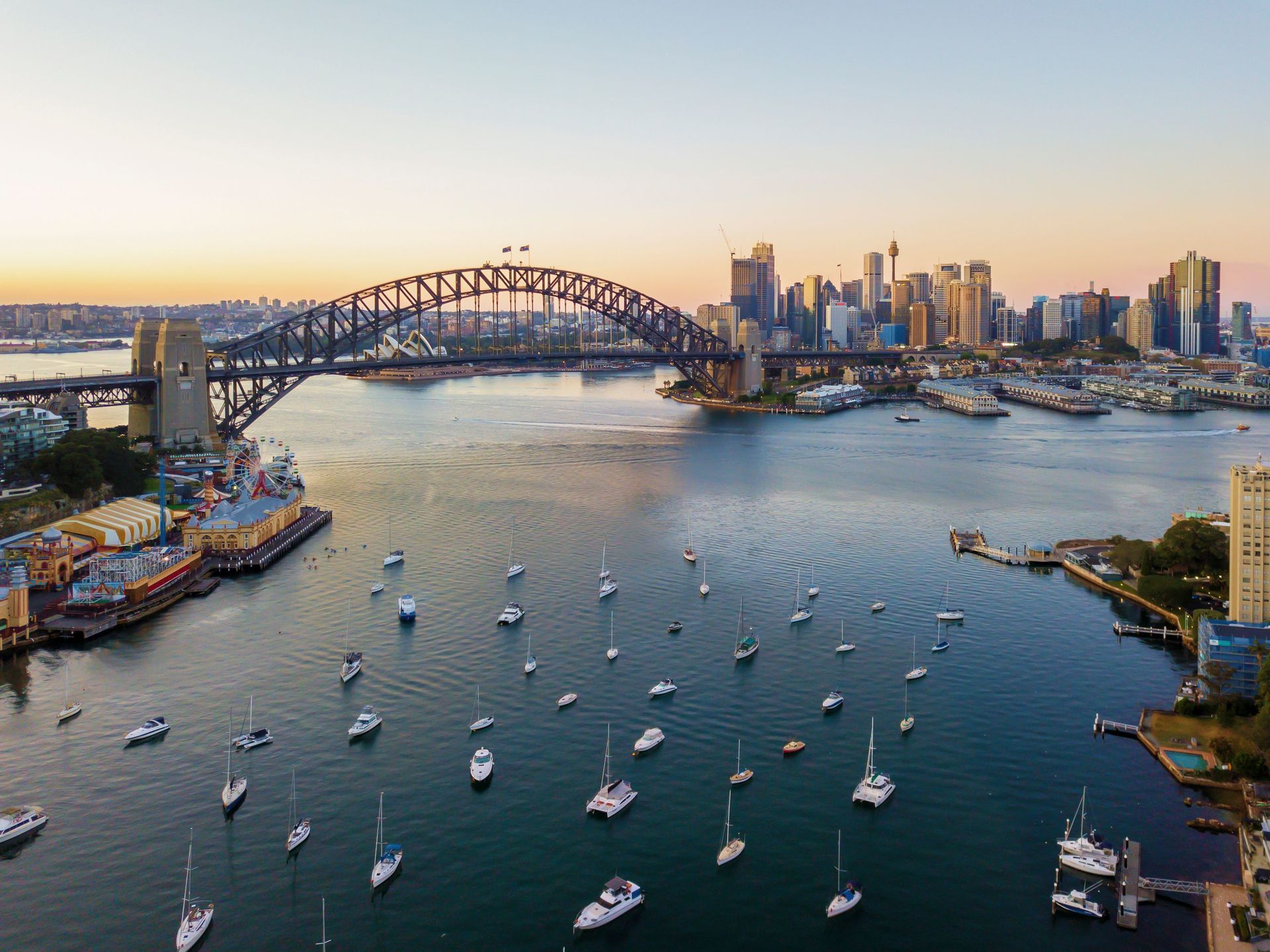
Australia's most populous city is a subtropical, sun-drenched metropolis with a well-developed gay party calendar
It’s hard not to be taken by Sydney’s beauty. Its harbour is breathtaking at every turn. Headlands, yachts, marinas and beaches glisten throughout the city. Fashionable and body-conscious sydneysiders wander cute and tidy suburbs set around the sparkling waters of the harbour.
What’s more, Sydney is a great party town and has a well developed gay party calendar culminating in the annual Gay and Lesbian Mardi Gras that draws huge numbers of international visitors.
Long recognised as a global LGBTQIA+ hub, Sydney truly shone when it welcomed the world for WorldPride 2023.
Sydney has a lot to offer travellers, visitors and locals.
The Oscar Wilds of Sydney
Sydney’s history as a penal colony has meant that it has always had a gay reputation. In 1838, Reverend William Ullathorne, Catholic Vicar-General of the colonies, described New South Wales as a veritable “Sodom of the South” to a British inquiry into the transportation of convicts 3. He said homosexuality was very common, specifically amongst the prisoner population.
In an article from the mid 1890s about the “Oscar Wild’s [sic] of Sydney”, a newspaper claimed that disgraced gay men from London were fleeing to Sydney. When a gay brothel was discovered in London’s West End, many of the high-profile clients fled the country to avoid exposure and prosecution. The newspaper claimed that many of these men found their way to Sydney and they could be identified by their “effeminate style of speech, and the adoption of the names of celebrated actresses”4
Why Queer Travellers Love Sydney
- World-famous queer nightlifeFrom Oxford Street bars and drag venues to major dance parties and Mardi Gras energy, Sydney has one of the world’s most recognisable gay scenes.
- Harbour, beaches and city glamourSydney pairs big-ticket sights, beautiful beaches and scenic harbour views with stylish neighbourhoods, making it easy to mix sightseeing, relaxation and nightlife in one trip.
- A city shaped by queer cultureQueer history is woven into Sydney’s identity, from decades of activism and Mardi Gras to neighbourhoods and venues that still anchor the city’s LGBTQ+ life.
The Gay Scene in Sydney
Sydney’s gay scene has long been one of the most visible and established in the Southern Hemisphere, with two main centres of gravity shaping its character. Oxford Street and surrounding Darlinghurst remain the historic heart of queer Sydney, home to landmark venues, Mardi Gras energy and a nightlife strip that still carries the city’s strongest sense of gay identity. Newtown, meanwhile, offers a more alternative and mixed queer scene, with a younger, more eclectic feel shaped by pubs, small bars, live performance and a broader LGBTQ+ crowd. Together, they give Sydney a scene that feels both iconic and varied, spanning classic gay nightlife, community history and a more contemporary inner-west edge.

Bar
The Imperial Erskineville
A Sydney queer icon, The Imperial Erskineville (“the Impy”) is Priscilla-famous, drag-obsessed and still the Inner West’s go-to for dinner, shows and gloriously messy late nights. Read more

Bar
Recommended
The Newtown Hotel
An Inner West icon on King Street, Newtown Hotel is a heritage pub turned draggy, dog‑friendly queer hangout, perfect for balcony beers, camp shows and people‑watching over the Newtown parade. Read more
Read more in the

What Makes Sydney Unique
What makes Sydney unique is the sheer beauty of its setting: few cities in the world combine big-city energy with such stunning harbourside scenery. The water is everywhere, shaping the city’s rhythm and giving everyday life a sense of openness, light and glamour, whether you are riding a ferry, walking along the foreshore or looking out across the harbour at sunset. Add to that its famous beaches, elegant inner-city neighbourhoods and confident outdoor lifestyle, and Sydney feels less like a dense metropolis and more like a city built around pleasure, beauty and the outdoors.
Quick Facts
Population
5.5 million
Currency
Australian Dollar (AUD)
Language
English
Airport
Sydney Airport (SYD), Western Sydney Airport (WSI)
Best gay nightlife district
Major LGBTQ+ event
Sydney Mardi Gras (March)
Best Time to Visit
For many queer travellers, the best time to visit Sydney is during Mardi Gras, when the city feels at its most energetic, expressive and alive. The festival brings a special sense of occasion to Sydney, with major events centred around Oxford Street and a broader feeling that queer culture is on full display across the city. Outside the festival itself, the most pleasant time to visit from a climate perspective is generally spring through autumn, especially October to April, when the weather is warm enough for beaches, harbour walks and outdoor dining without the cooler feel of winter.
Where to Next?
© 2026 Apollo Social