Plan Your Trip
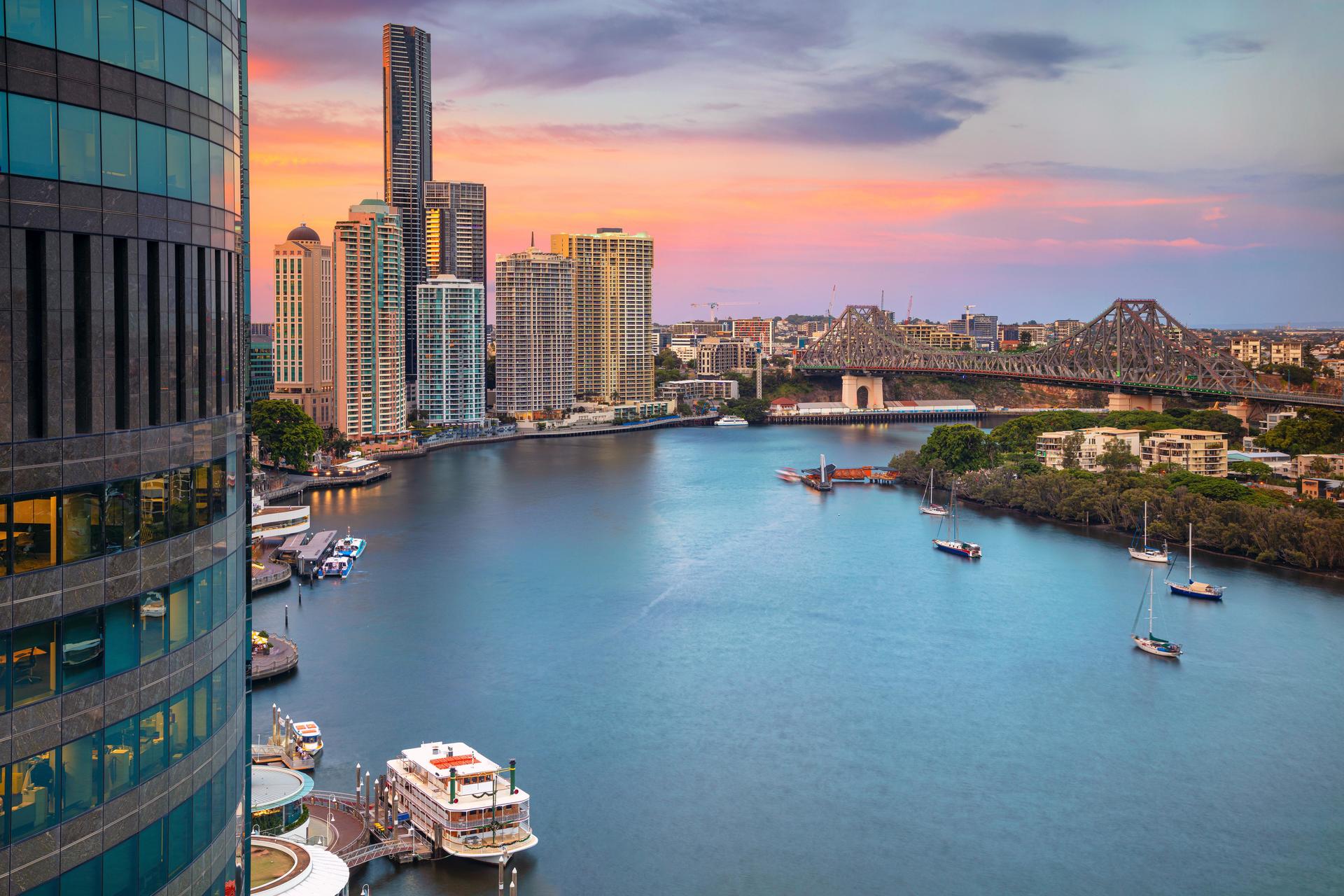
Brisbane is all easy sunshine, river breezes and neighbourhoods with personality. Plan your trip with the essentials: when to visit, how to get around, where to stay, and the local know-how that makes the city feel less stopover, more soft launch.
Getting There
 Plane. Most visitors arrive via Brisbane Airport (BNE), the city’s main gateway with separate Domestic and International terminals. It’s about 20 minutes into the centre on the Airtrain, with stations right at both terminals and easy connections into the CBD.
 Car. Driving into Brisbane is straightforward if you’re road-tripping the east coast or arriving from regional Queensland. Hire cars, private transfers, taxis and rideshare all feed into the city from Brisbane Airport, and self-driving gives you the most freedom for side trips beyond the river and suburbs.
Getting Around
 Train: Trains are handy for longer cross-city trips, outer suburbs and airport connections, with frequent services on key lines during weekday daytime hours. Use the Translink app or journey planner for live times, and tap on and off with a contactless card, smart device or go card; for the airport, Airtrain runs separately from the standard Translink network. ([translink.com.au](?utm_source=openai))
 CityCat & Ferries: Part transport, part riverside joyride, Brisbane’s CityCats and ferries are one of the loveliest ways to move around, linking river precincts from UQ St Lucia to Northshore Hamilton. They’re paid services with regular departures, and you can tap on and off with a contactless card, smart device or go card.
 Bus: Brisbane’s bus network is wide-reaching and usually the easiest way to hop between the CBD, inner suburbs and neighbourhood high streets. Fares are generally affordable, and you can plan routes in the Translink app and pay by tapping on and off with a contactless card, smart device or go card.
 Ride-sharing: Ride-sharing is widely used in Brisbane and can be especially handy when you’re going somewhere that feels just a little too far to walk in the subtropical heat. Prices vary with demand, but booking is simple through the app and pickup is generally straightforward in central areas.
Safety
Brisbane is generally a safe, easygoing city for visitors, with a lively inner-city nightlife scene and a strong sense of everyday comfort in well-trafficked areas. As anywhere, keep an eye on your drink and belongings on nights out, use standard late-night transport caution, and know that while the city is broadly welcoming, comfort levels can vary a little outside the urban core.